
What is the difference between wuxia and isekai novels?
Wuxia and isekai are both hugely popular in the Asian fiction world, but they are quite different genres that often get mentioned in the same breath because both involve powerful protagonists in fantastical settings.
Wuxia is specifically rooted in Chinese martial arts culture and tradition. The word itself means roughly martial hero. Stories in this genre are set in a fictionalized ancient China and center on characters who master internal energy, cultivation techniques, or combat arts passed down through sects and clans. The conflicts are usually about honor, revenge, faction warfare, and the pursuit of martial enlightenment. "How the Vice Cult Leader of the Demonic Cult Lives" is a good example of this flavor. A warrior from an obscure sect wakes up in the body of one of the most feared figures in the martial world. The story works within the established logic of that world: sects, demonic cults, the concept of paths and hierarchies within martial society. Nothing about the setting needs to be explained to readers familiar with wuxia because these are well-understood building blocks of the genre.
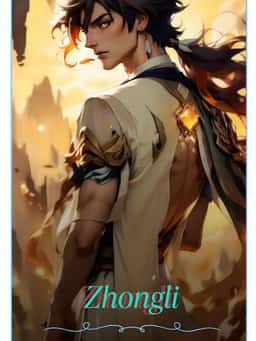
Isekai, by contrast, is a Japanese genre term meaning another world. The defining feature is a character being transported from the modern world into a fantasy setting. The appeal comes largely from the clash of knowledge. A modern person who understands economics, military strategy, or game mechanics suddenly has a massive edge in a world that lacks those frameworks. "In Naruto as Zhongli" is a crossover take on this idea, where a reincarnated character draws on knowledge from modern franchises to survive. The system he receives and the choices he makes are shaped by that outside-world awareness. Isekai stories are often more self-aware and playful than wuxia, leaning into gaming and pop culture references that wuxia typically avoids.
The simplest way to tell them apart: wuxia stays inside its historical Chinese world with martial arts at the center, while isekai is defined by the act of crossing between worlds and what that collision produces.
Novels mentioned in this answer

Similar Questions
What makes a cold, possessive alpha male lead so compelling in werewolf romance?
What is the difference between transmigration and reincarnation in fantasy novels?
Are there historical romance novels where the male lead is feared by everyone but falls for an ordinary girl?
What makes a love triangle feel believable instead of forced in romance novels?
What is a kingdom-building novel and why do readers love them?
What does SSS-rank mean in game and fantasy novels?
Why are dark romance novels with cursed or dangerous male leads so addictive?
Are there novels where the hero travels back in time with all their memories from their past life?
What is the transmigration trope and why is it so popular in romance novels?
What kind of themes are explored in 'Something Hot, Something Messy, Something Scandalous Trilogy'?