
What is the difference between cultivation novels and class-based fantasy novels?
Both cultivation novels and class-based fantasy novels follow a protagonist who grows stronger over time, but the mechanics—and the feel—of that growth are very different, and readers who love one style do not always love the other.
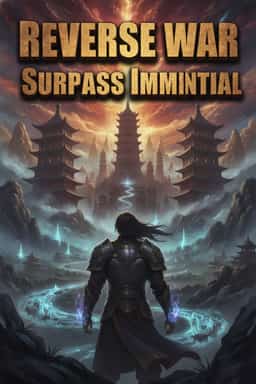
Cultivation novels come from Chinese literary tradition, and the power system is internal. The protagonist refines their body, channels spiritual energy, and progresses through ranks that often carry poetic or cosmic names—Foundation Establishment, Core Formation, Nascent Soul, and so on. Progress is earned through training, enlightenment, battle, and sometimes the absorption of rare spiritual resources. The protagonist's strength is literally built into their body and spirit. Stories like "Chaos Heaven-Dominating Technique" and "Reverse War Surpass Immortal" follow this structure, where a young man awakens a rare constitution or defies the heavens through sheer will and cultivates toward an almost godlike state. There is a sense of becoming one with the universe, of transcending mortal limits through understanding rather than mechanics.
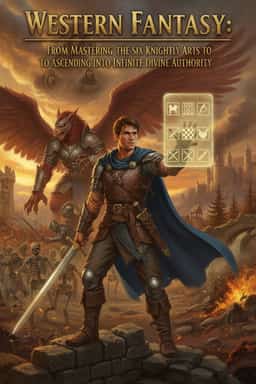
Class-based fantasy novels work differently. Power comes from unlocking, leveling, or evolving discrete categories—fighter, mage, archer, knight—and the protagonist's strength is measured by external systems, status panels, or game-like progression. "Western Fantasy: From Mastering the Six Knightly Arts to Ascending into Infinite Divine Authority" is a clear example of this. Leo begins as a humble squire and unlocks classes one by one, each building on the last. His growth is defined by the number and tier of classes he holds, and advancement comes from mastering skills and meeting specific conditions rather than refining inner spirit.
The emotional texture is different too. Cultivation novels tend to feel mystical and philosophical, closer to legends of ancient sages reaching godhood. Class-based novels feel more systematic and logical, rewarding clever decision-making and grinding. Neither is better, but readers who love poetic grandeur often lean toward cultivation, while readers who enjoy strategy and progression tend to prefer class systems.
Novels mentioned in this answer

Similar Questions
Why do readers love possessive or cold male leads in romance novels?
What is the difference between xianxia and xuanhuan novels?
Are there web novels where the protagonist uses sports to rise from nothing?
What is the yandere trope and why do readers love it in fantasy novels?
Are there novels where the heroine starts as a pack outcast and ends up loved by powerful alpha males?
Why do revenge rebirth novels feel so satisfying to read?
What is the 'extra' trope in fantasy web novels?
Are there xianxia novels where the protagonist has no system or cheat ability?
What makes fated mates romance so addictive to read?
What is the appeal of childhood sweetheart romance in novels?