
What is the yandere trope and why do readers love it in fantasy novels?
The yandere trope refers to a character—usually a love interest—who starts out sweet and devoted but gradually reveals an obsessive, dangerous side when they feel their love is threatened. The name blends two Japanese words: yanderu, meaning mentally or emotionally unstable, and deredere, meaning lovey-dovey or affectionate. In romantic fantasy, yandere characters walk a razor's edge between heartwarming devotion and terrifying possessiveness, which is exactly what makes them so compelling to read.
What draws readers in is the intensity. A yandere character does not love halfway. They are completely consumed by their feelings, and that level of singular focus—however extreme—feels intoxicating in fiction. It satisfies something primal in the fantasy of being chosen absolutely, even if the reality of it would be frightening. Fantasy novels amplify this by giving yandere characters real power: magic, immortality, armies, or world-ending abilities that make their obsession genuinely dangerous.
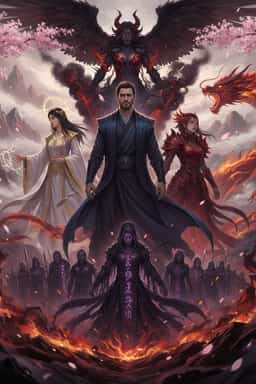
"Raising Yanderes to Save the World" plays with this trope in a fascinating way. The protagonist Kael is not a romantic lead in the traditional sense—he is a former therapist who understands emotionally unstable people far too well, and yet fate keeps binding him to exactly these kinds of women. The novel explores what happens when a man who knows exactly how dangerous yandere behavior can be is still powerless to escape it. It gives the trope unexpected depth by grounding it in psychology and consequence rather than pure wish fulfillment.
Readers who enjoy yandere stories often appreciate the emotional extremity they offer. These novels go places that slice-of-life or slow burn romance never would. The stakes are personal and terrifying, and the outcome is never quite predictable. Whether the obsessive love interest becomes a source of salvation or destruction often depends on a single choice, and that tension keeps readers turning pages well past midnight.
Novels mentioned in this answer
Similar Questions
Can reading web novels actually be good for your mental health?
What is the villain transmigration trope in web novels?
Why do readers love possessive or cold male leads in romance novels?
What is the difference between xianxia and xuanhuan novels?
Are there web novels where the protagonist uses sports to rise from nothing?
Are there novels where the heroine starts as a pack outcast and ends up loved by powerful alpha males?
What is the difference between cultivation novels and class-based fantasy novels?
Why do revenge rebirth novels feel so satisfying to read?
What is the 'extra' trope in fantasy web novels?
Are there xianxia novels where the protagonist has no system or cheat ability?